Entry · Ref 6OQ9KQYT
Key points to review before booking a helicopter flight over Niagara Falls
- Posted
- 2026-11-25
- Last amended
- 2026-11-25
- Account
- @helicopterflightoverstore
A helicopter flight over Niagara Falls is a remarkable way to see one of the most dramatic natural landscapes in North America. The aerial perspective of the Niagara River gorge, the thunderous water, and the mist rising from the falls stays with you long after you land. Yet before you secure your seat, there are several practical points to consider. Knowing what to check ahead of time makes the experience smoother and more enjoyable. Here is a straightforward list of things to verify before you book.
Flight duration and what it covers
The length of the tour directly affects what you see and how relaxed you feel during the ride. Most helicopter tours over Niagara Falls last between ten and twenty minutes. A shorter flight focuses on the main falls, while a longer route may include the Niagara River gorge and the surrounding vineyards. Check the exact route before you book. Some operators offer a loop that crosses the border and gives views of both the American and Canadian Horseshoe Falls. Others stay on one side. If you want a full panorama, ask whether the flight path covers both countries. Also confirm whether the flight time includes the boarding and safety briefing or only the air time. A ten-minute flight can feel very brief once you factor in the climb and descent.
Seat assignment and window views
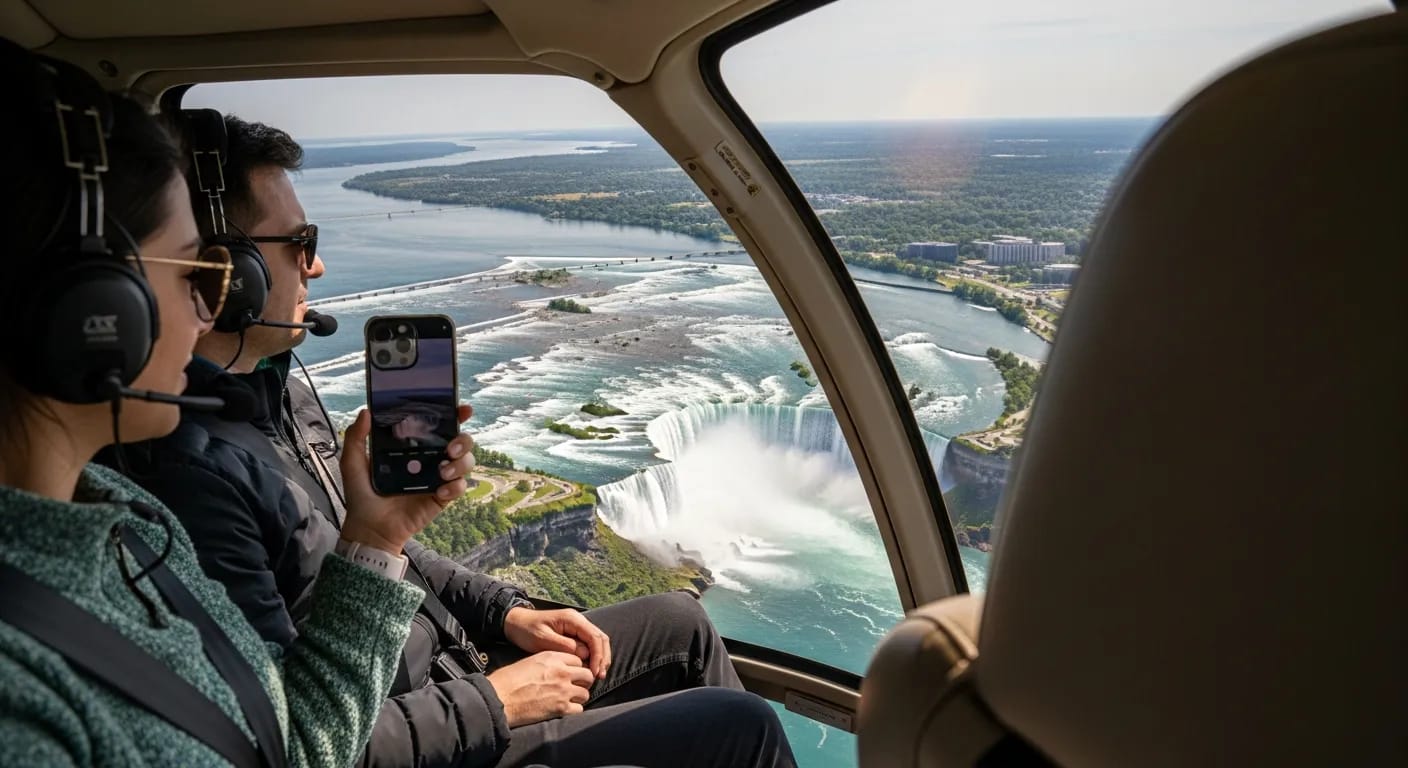
Not every seat in a helicopter offers the same view. In most small helicopters, the person sitting next to the pilot has the best forward view, while passengers in the back seats see more of the side windows. Some operators assign seats by weight for balance, which means you cannot choose your spot. Others rotate passengers between flights or let you request a window seat. Ask how seating works when you book. If photography is important to you, a front or side window matters a lot. Also check whether the helicopter has large windows or small portholes. Larger windows improve the experience, especially over the misty area near the falls.
Weather conditions and cancellation policies
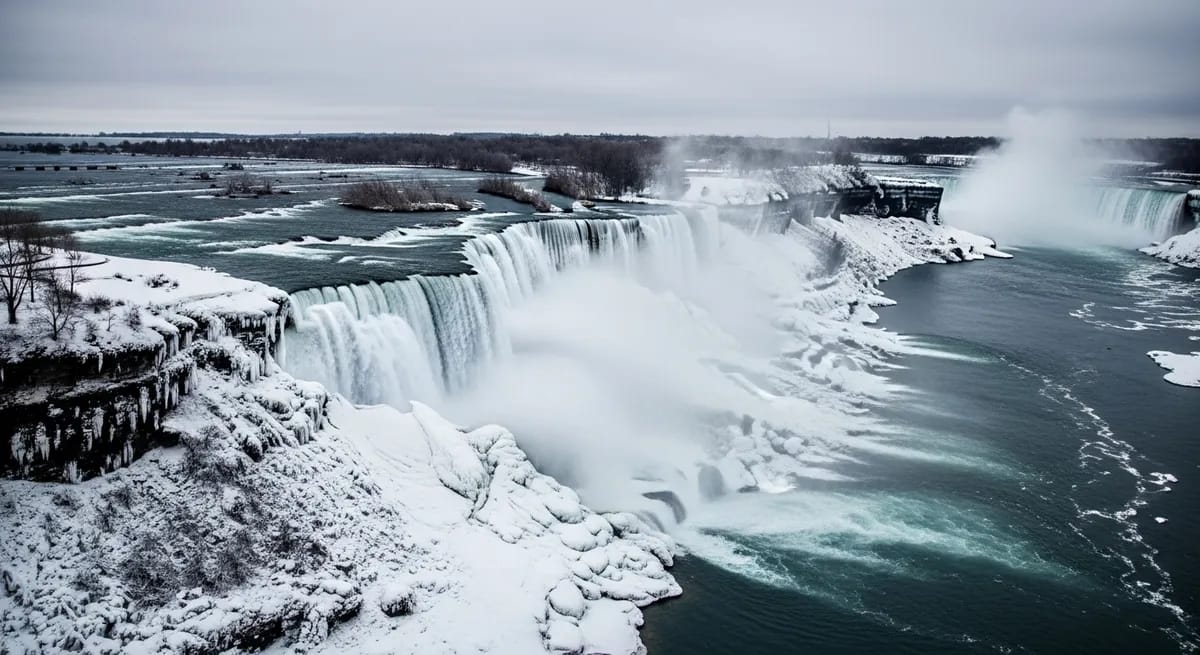
Helicopter flights depend heavily on weather. Fog, high wind, rain, or low clouds can delay or cancel tours. A good operator will have a clear cancellation policy. Read it before you pay. Some companies offer full refunds if they cancel due to weather, while others only give a credit for a future date. If you are traveling from far away, consider booking early in your trip so you have flexibility to reschedule. Also check whether the flight operates in light rain or only in clear conditions. Knowing the policy helps you avoid disappointment on the day.
Safety briefing and equipment
Before any helicopter tour, you will receive a safety briefing. This usually covers how to enter and exit the aircraft, how to fasten the seat belt, and what to do in an emergency. Pay attention to the briefing even if you have flown before. The procedures can vary between operators and aircraft types. Ask whether the helicopter provides noise-cancelling headsets. These headsets do two things: they protect your hearing from the engine noise, and they let you hear the pilot’s commentary during the flight. Without them, the noise makes conversation and instructions difficult. Some operators also provide a headset with a microphone so you can ask questions. Check this in advance if clear communication matters to you.
Weight and passenger restrictions
Helicopters have strict weight limits for safety. Each passenger is weighed at check-in, and the total weight of all passengers, luggage, and fuel must stay within the aircraft’s limits. Some operators charge extra for passengers over a certain weight, and a few have a maximum per seat. If you are traveling with a group, confirm the combined weight limit for the helicopter. Also check age and health restrictions. Some tours do not allow infants or very young children. Passengers with certain medical conditions, such as a history of ear problems or recent surgery, may need a doctor’s note. It is better to ask these questions before you arrive at the landing pad.
What to wear and bring
The temperature at the landing pad can differ from the ground temperature, especially near the falls where the mist cools the air. Dress in layers so you can adjust. A light jacket or windbreaker is useful even on a warm day. Closed-toe shoes are usually required; sandals or flip-flops are not allowed. Sunglasses help reduce glare from the water and clouds. If you plan to take photos, bring a camera with a strap. Loose items can fall out of the helicopter during the flight. Some operators provide a small storage pouch for phones and wallets. Avoid carrying large bags because space inside the cabin is limited. Check the operator’s policy on bags and personal items before you go.
Photography and video rules
Most helicopter tours allow personal cameras and smartphones, but there are usually restrictions. Some operators prohibit the use of selfie sticks, GoPro mounts, or any device that sticks out from the window. The reason is safety: an object could interfere with the helicopter’s controls or get sucked out of the window. Ask about the policy on cameras and mounts. If you want to record video, check whether the operator allows recording during the entire flight or only during certain parts. Also consider that the vibration and engine noise can affect video quality. A camera with image stabilization helps. A simple rule is to keep your hands and equipment inside the cabin at all times.
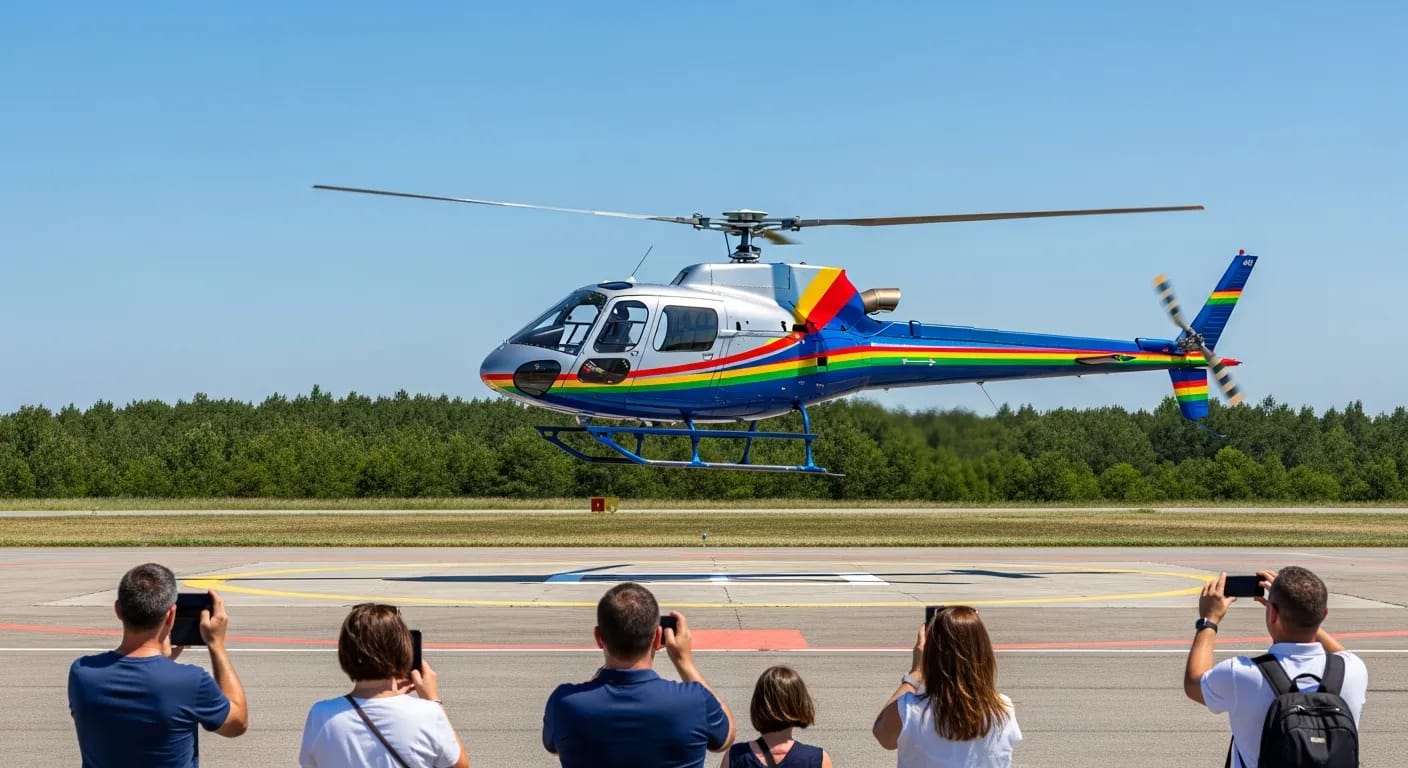
One operator that provides clear information on these details is niagarafallshelicoptertours.com. Their website outlines the flight options, seating arrangements, and safety procedures so you can prepare before you arrive. Checking their site ahead of time helps you know exactly what to expect and what questions to ask when you call to confirm your booking.
Landing pad location and parking
The landing pad is not always at the same location as the ticket office or the parking lot. Some helicopter tours operate from a helipad near the falls, while others are located a short drive away. Check the exact address and confirm that parking is available and whether it costs extra. If you are using public transport or a ride-hailing service, find out how close the drop-off point is to the boarding area. Arriving early gives you time to check in, use the restroom, and attend the safety briefing without rushing.
Language and commentary
If you do not speak English fluently, ask whether the safety briefing or the pilot’s commentary is available in other languages. Some operators provide printed translations or recorded audio in multiple languages. Others rely on the pilot speaking English only. Knowing this beforehand helps you understand the instructions and enjoy the commentary. If you are traveling with someone who needs translation, consider asking a friend or booking a tour that offers multilingual support.
Final checks before you confirm
Before you enter your payment details, read recent reviews from other travelers. Look for comments about the flight experience, the professionalism of the crew, and the condition of the aircraft. Consistent positive feedback about safety and customer service is a good sign. Also confirm the total price, including any taxes, fees, or fuel surcharges. Some advertised prices do not include these extras. A clear breakdown avoids surprises at check-in. If you have any doubts, call the operator directly and ask. A reputable company will answer your questions clearly and patiently.
Booking a helicopter flight over Niagara Falls is an investment in a memory. Taking the time to check these points before you reserve ensures that the experience matches your expectations. From the flight duration and seat assignment to the weather policy and photography rules, each detail contributes to a smooth and memorable outing. The website niagarafallshelicoptertours.com offers a helpful starting point for gathering the information you need. With the right preparation, you can focus on the views and the thrill of flying above one of the world’s great natural wonders.